Transform Your Space: The Best Contemporary Roof Lanterns for Natural Radiance
In modern design, roof lanterns stand out as essential elements that improve both aesthetics and functionality. They function as a bridge between indoor and outdoor spaces, allowing natural light to stream through areas that often lack brightness. With multiple options on offer, homeowners can select solutions that fit their individual preferences and sustainability requirements. As one examines the possible advantages, it is evident that these fixtures can significantly enhance any living space.
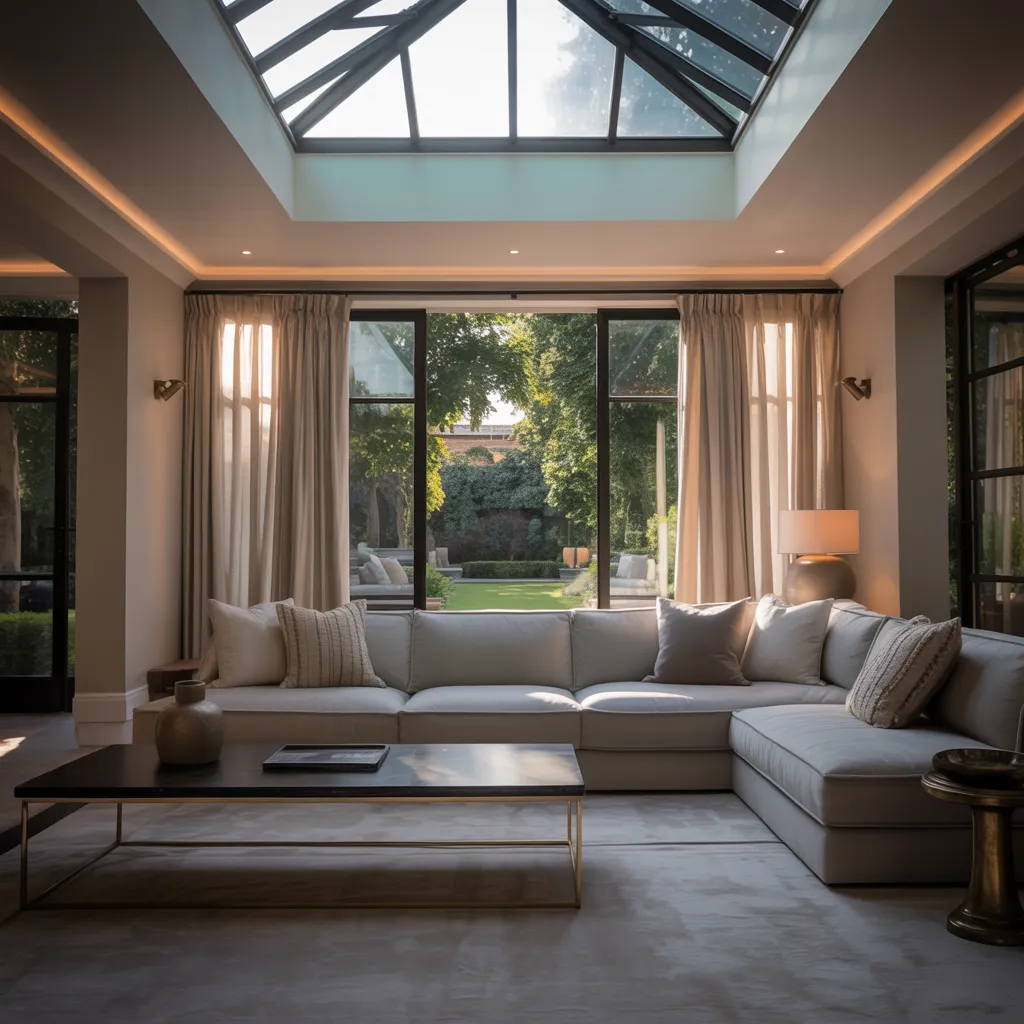
Why Go with a Roof Lantern for Your Home?
When homeowners evaluate enhancing their home environments, opting for a roof lantern can dramatically change the ambiance. These design features not only present a elegant focal point but also flood spaces with natural light, cultivating a sense of spaciousness. Roof lanterns are highly effective in darker zones of a home, such as hallways or extensions, where they can powerfully improve the mood and atmosphere.
Furthermore, roof lanterns boost energy efficiency by decreasing the need for artificial lighting in daytime hours. This can lead to reduced power costs and a lesser environmental impact. Additionally, these additions can increase property value, attracting potential buyers who desire contemporary and elegant aesthetic features. Their flexibility allows homeowners to select various styles and materials that enhance their current architectural style, rendering roof lanterns a popular choice in contemporary home design. Overall, the addition of a roof lantern can elevate both aesthetics and functionality.
Key Elements to Evaluate When Selecting Modern Roof Lanterns
Picking modern roof lanterns calls for careful consideration of essential features to verify they meet both aesthetic and functional specifications. First, the size and shape of the lantern should work with the structural style of the home while delivering ample light distribution. Choice of material is essential; options including aluminum or timber can present durability and weather resistance.
Moreover, fuel economy is a noteworthy factor; opting for lanterns with double-glazed glass can maximize insulation. The ease of setup and maintenance should also be analyzed, as some designs may take more effort than others.
Ultimately, assess the decorative aspects, like frame styles and color finishes, which can substantially affect the overall mood of the space. By focusing on these essential attributes, homeowners can make informed decisions that boost both the beauty and functionality of their living spaces.
Examine the Best 5 Current Roof Lantern Styles
Inspecting the top five modern roof lantern configurations, consideration must be given to their design elegance and variety of styles. Additionally, the robustness of materials and the refinement of finishes constitute an critical role in the overall significance of these structures. Analyzing these aspects can help homeowners make informed decisions that align with their design preferences and practical needs.
Artistic Aesthetics and Approaches
Although roof lanterns function as a method to illuminate spaces, their style aesthetics have developed considerably, making them a key feature in modern architecture. The top five modern roof lantern designs offer a variety of styles, from minimalist geometric shapes to sophisticated, contemporary patterns. Sleek, flat designs often feature expansive glass panels, improving natural light while keeping a low profile. Conversely, more ornate lanterns show artistic detailing that adds charm to any room. Some blend industrial elements, combining metal frames with glass for a striking contrast. Each design reflects current trends, focusing on the balance between form and function, ultimately turning spaces into luminous sanctuaries that welcome both natural light and visual interest.
Material Durability and Finish
Durability functions as an important element in the selection of modern roof lanterns, as the materials used directly influence their longevity and maintenance. Among the top five designs, aluminum and stainless steel prove exceptional for their durability to corrosion and weathering, maintaining longevity in various climates. Glass options, often tempered or double-glazed, provide outstanding insulation and UV protection, although they require careful handling to prevent breakage. Additionally, powder-coated finishes boost metal durability and offer a variety of design choices. Wood, while visually appealing, demands regular care to resist moisture and pests. Overall, the combination of robust materials and quality finishes greatly affects the practicality and lifespan of roof lanterns, making informed choices vital for homeowners.
Mounting Your Roof Lantern: A Systematic Guide
Choosing the right location when fitting a roof lantern is crucial for enhancing daylight and visual appeal. Keeping necessary equipment and supplies ready ensures the installation procedure goes seamlessly. This guide will present the necessary steps needed to accomplish a successful installation.
Determining The Appropriate Site
Selecting the optimal place for a roof lantern can significantly improve both sunlight and aesthetic appeal within a room. It is crucial to take into account the direction the room faces, as south-facing installations usually boost sunlight exposure throughout the day. Furthermore, assessing the neighboring structures is vital; nearby trees or buildings can obstruct light and diminish effectiveness. The roof pitch should also be checked, making sure the lantern sits at an ideal angle for light entry. Additionally, it is wise to place the lantern away from areas prone to heat loss, for example, poorly insulated spaces. Lastly, the size and style of the roof lantern should match the overall architectural design, creating a harmonious mix of functionality and visual impact.
Critical Tools And Components
Before starting the assembly of a roof lantern, one must collect necessary tools and materials to ensure a uninterrupted process. Key tools feature a power drill, measuring tape, level, and a utility knife. Protective apparel, such as gloves and goggles, is also important to assure protection during installation.
The roof lantern, flashing tape, adhesive, and screws are required materials. Furthermore, having a climbing apparatus readily available facilitates reaching the work site. It is advisable to prepare the workspace by clearing away any debris and confirming adequate illumination. Assembling these tools and materials beforehand enables the installation to proceed efficiently and effectively, minimizing potential obstacles and guaranteeing a successful outcome.

How to Use Roof Lanterns to Brighten Up Every Room
Roof lanterns can improve any room by filling the space with an abundance of natural light. They create a visual connection with the outdoors, enriching the overall ambiance. When installed strategically, roof lanterns can illuminate dark corners, helping rooms feel larger and more open. In living areas, they present as focal points, capturing attention upward and providing architectural interest.
In kitchens, the daylight supplied via roof lanterns can make the space feel more attractive, suitable for cooking and entertaining. In rest areas, they can create a tranquil atmosphere, allowing muted rays to filter in during the morning. Adding roof lanterns to hallways or staircases can also improve visibility and deliver a sense of coherence throughout the home. Overall, adding roof lanterns into design schemes not only increases brightness but also enhances the visual charm of any room.
Roof Lantern Maintenance Advice
Natural light from roof lanterns enhances the ambiance of any room, but keeping them in good condition is key to protecting their appearance and performance. Frequent cleaning is essential; using a soft cloth and a mild cleaning solution helps avoid damage and accumulation. Homeowners should inspect seals and gaskets for deterioration, ensuring they remain watertight and stop water damage. It is advisable to arrange expert assessments documentation annually, focusing on structural integrity and any potential damage. Additionally, checking for condensation inside the lantern can signal ventilation issues that need resolving. When changing bulbs, it's important to use the correct wattage to avoid excessive heat. Finally, during severe conditions, think about applying protective shields to protect lanterns from debris and extreme conditions. By adhering to these care guidelines, one can guarantee that roof lanterns keep to provide natural illumination and enhance the home's aesthetic appeal.
How Roof Lanterns Advance Energy Performance in Your Home?
Installing roof lanterns into a home provides a major advantage: their capacity to enhance energy efficiency. By allowing natural light to fill living spaces, roof lanterns reduce the dependence on artificial lighting throughout the day. This not only reduces electricity bills but also minimizes the household's overall carbon footprint.
Furthermore, modern roof lanterns often feature advanced glazing that ensures temperature regulation, locking in warmth during colder months and keeping interiors fresher in the summer. This performance efficiency can generate reduced heating and cooling costs, further boosting energy savings.
Moreover, the visual appeal of roof lanterns encourages homeowners to embrace natural light, promoting a healthier living environment. The increased daylight can improve mood and productivity, making spaces more inviting without compromising energy efficiency. Ultimately, roof lanterns are a reliable solution for homeowners looking to enhance both illumination and energy conservation.
Popular Inquiries Posed Regularly
Which Materials Are Frequently Applied for Modern Roof Lanterns?
Current roof lanterns commonly utilize materials such as aluminum, glass, and polycarbonate. These materials ensure strength, aesthetic appeal, and effective light passage, enhancing both the structural integrity and architectural elegance of contemporary architectural designs.
Can Roof Lanterns match All Home Styles?
Roof lanterns can work with various home styles, including contemporary, traditional, and minimalist designs. Their adaptability allows them to boost the appearance while supplying natural light, making them appropriate for diverse architectural preferences and environments.
How Do Roof Lanterns Affect Indoor Temperature?
Roof lanterns can greatly shape indoor climate control by allowing natural light to enter, which warms spaces during the day. However, without adequate airflow or sun protection, they can also lead to excessive heat in warmer months.
Do Roof Lanterns Have the Ability to Sync With Smart Home Systems?
Roof lanterns can certainly be integrated with smart home systems, allowing for automated control of lighting and ventilation. This integration enhances convenience, energy efficiency, and overall user experience in modern living spaces.
How Long Does a Roof Lantern Last? Exploring the Average Lifespan
The average lifespan of a roof lantern usually ranges from 20 to 30 years, based on materials and maintenance. High-quality designs with durable components can prolong this lifespan, ensuring long-lasting natural illumination for indoor spaces.